
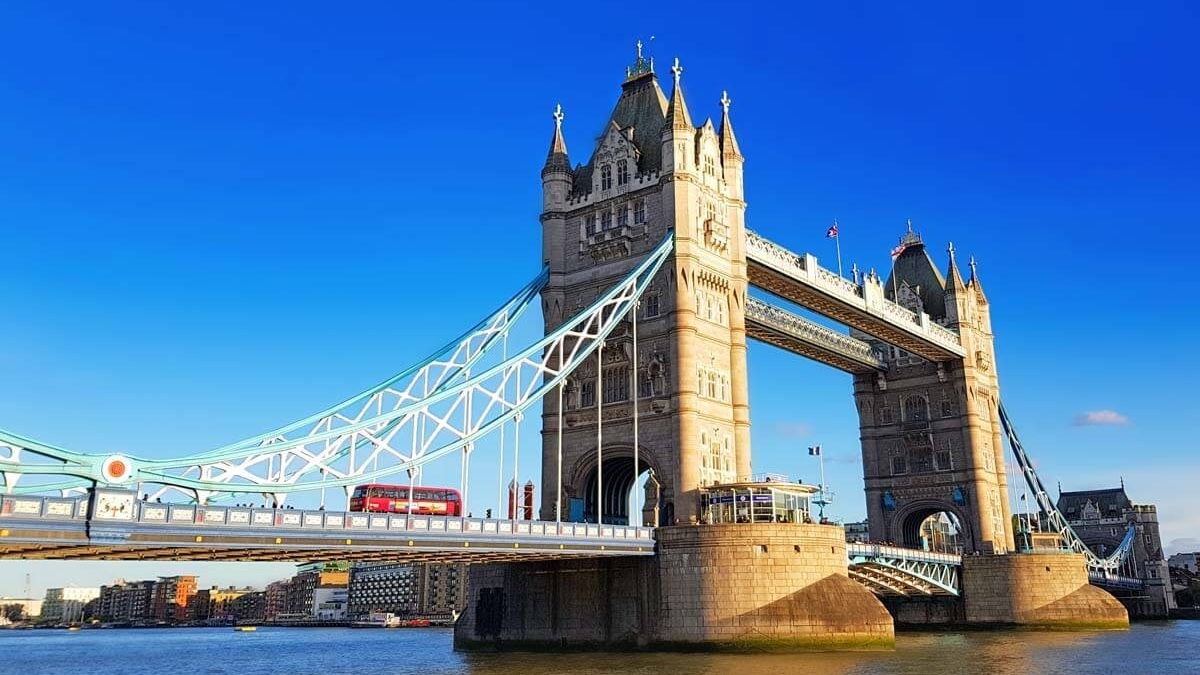

London is one of the world’s most vibrant and historic cities, offering an incredible mix of iconic landmarks, world-class museums, beautiful parks, and hidden gems. Whether you’re a first-time visitor or a seasoned traveler, there’s always something new to discover. Here’s an extensive guide to the most interesting places to visit in London.
1. Iconic Landmarks & Historic Sites
A. The Tower of London
-
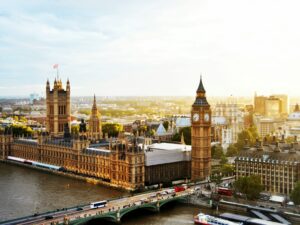
Buckingham Palace & Big Ben Why Visit? A historic castle with nearly 1,000 years of history, housing the Crown Jewels and the famous Beefeaters.
-
Highlights: The Crown Jewels exhibition, the White Tower, and the ravens (legend says if they leave, the kingdom will fall).
-
Tip: Book tickets in advance to avoid long queues.
B. Buckingham Palace
-
Why Visit? The official residence of the British monarch.
-
Highlights: The Changing of the Guard ceremony (daily in summer, alternate days in winter).
-
Bonus: Visit the State Rooms (open to the public in summer).
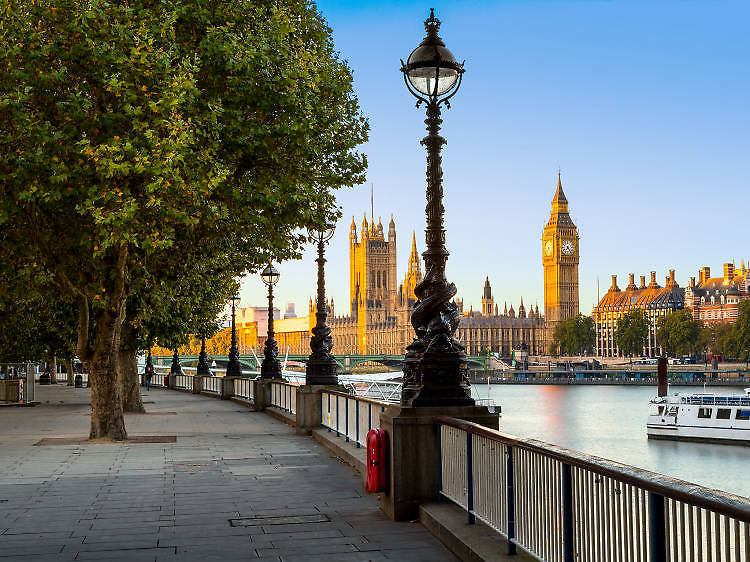
C. Big Ben & the Houses of Parliament
-
Why Visit? One of London’s most recognizable symbols.
-
Fun Fact: “Big Ben” actually refers to the bell inside the clock tower, not the tower itself (officially called the Elizabeth Tower).
-
Tip: Take a guided tour of Parliament for a deep dive into British politics.
D. Westminster Abbey
-
London Bridge Bridge Cruise Why Visit? A stunning Gothic church where British monarchs are crowned and buried.
-
Highlights: Poets’ Corner (final resting place of Chaucer, Dickens, and Tennyson) and the Coronation Chair.
E. St. Paul’s Cathedral
-
Why Visit? An architectural masterpiece by Sir Christopher Wren, with a breathtaking dome.
-
Must-Do: Climb to the Golden Gallery for panoramic city views.
F. The London Eye
-
Why Visit? Europe’s tallest cantilevered observation wheel, offering unbeatable views.
-
Best Time: Sunset for a magical skyline.
2. World-Class Museums & Galleries
A. The British Museum
-

Buckingham Palace Why Visit? Home to over 8 million works, including the Rosetta Stone and the Elgin Marbles.
-
Free Entry! (Donations welcome)
B. The Natural History Museum
-
Why Visit? A dinosaur-filled wonderland with an awe-inspiring Hintze Hall (featuring “Hope,” the giant blue whale skeleton).
-
Bonus: The adjacent Science Museum is great for interactive exhibits.
C. The Victoria and Albert Museum (V&A)
-
Why Visit? The world’s largest museum of decorative arts and design.
-
Highlights: Fashion exhibits, Renaissance sculptures, and stunning jewelry collections.
D. Tate Modern
-
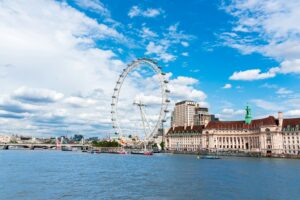
The London Eye Why Visit? A powerhouse of contemporary art in a former power station.
-
Must-See: Works by Picasso, Warhol, and Hockney.
E. The National Gallery (Trafalgar Square)
-
Why Visit? Houses masterpieces by Van Gogh, Da Vinci, and Turner.
-
Free Entry!
3. Royal Parks & Scenic Spots
A. Hyde Park
-
Why Visit? One of London’s largest parks, featuring the Serpentine Lake and Speaker’s Corner.
-
Bonus: Rent a rowboat or visit the Diana Memorial Fountain.
Big Ben & the Houses of Parliament
B. Kensington Gardens
-
Why Visit? Home to Kensington Palace (where Prince William and Kate live) and the stunning Peter Pan statue.
C. Regent’s Park
-
Why Visit? Beautiful gardens, an open-air theatre, and the London Zoo.
D. Greenwich Park
-
Why Visit? Offers incredible views of Canary Wharf and houses the Royal Observatory (stand on the Prime Meridian Line!).
4. Unique Neighborhoods & Hidden Gems
A. Camden Town
-
Why Visit? Famous for its alternative vibe, street food, and vintage markets.
-
Must-Try: Food stalls at Camden Market.
B. Notting Hill
-

Nothing Hill Tour Why Visit? Colorful houses, Portobello Road Market, and a charming village feel.
-
Film Buffs: Visit the famous bookshop from Notting Hill (1999).
- Click Here to book a full Tour to get the best experience!
C. Shoreditch & Brick Lane
-
Why Visit? The heart of London’s street art scene and hipster culture.
-
Don’t Miss: Beigel Bake (24-hour bagel shop) and vintage shopping.
D. Covent Garden
-
Why Visit? A lively area with street performers, boutique shops, and the Royal Opera House.
E. Leadenhall Market
-
Why Visit? A stunning Victorian market that doubled as Diagon Alley in Harry Potter.
5. Quirky & Offbeat Attractions
A. The Churchill War Rooms

-
Why Visit? The underground bunker where Winston Churchill directed WWII.
B. Highgate Cemetery
-
Why Visit? A hauntingly beautiful Victorian cemetery where Karl Marx is buried.
C. The Sky Garden
-
Why Visit? A free rooftop garden with 360° views (book in advance).
- Click here to book online and skip the row!
D. Little Venice
-
Why Visit? A picturesque canal area perfect for a peaceful stroll.
6. Day Trips from London
-
Stonehenge (Mysterious prehistoric monument)
-
Windsor Castle (The Queen’s favorite weekend home)
-
Oxford & Cambridge (Historic university towns)
-
Brighton (Seaside escape with a bohemian vibe)
Final Tips for Visiting London
✔ Use an Oyster Card for cheaper transport.
✔ Walk as much as possible—many attractions are close together.
✔ Book tickets online to skip queues for major sites.
✔ Try traditional foods like fish & chips, a full English breakfast, and afternoon tea.
A Brief History of London: From Roman Outpost to Global Capital
London’s history spans over 2,000 years, beginning as a small Roman settlement called Londinium in AD 43. Built along the River Thames, it quickly grew into a major trading hub. After the Romans left in the 5th century, the city faced Viking invasions and Saxon rule before becoming the political heart of England under the Normans.
The Tower of London was constructed by William the Conqueror in 1078, symbolizing royal power. By the Middle Ages, London thrived as a center of commerce, despite disasters like the Great Fire of 1666, which destroyed much of the city. Sir Christopher Wren rebuilt iconic structures, including St. Paul’s Cathedral, shaping London’s skyline.
The Industrial Revolution (18th–19th centuries) transformed London into the world’s largest city, with landmarks like Big Ben and Westminster Abbey becoming symbols of the British Empire. Despite suffering heavy damage in World War II, London reinvented itself as a cultural and financial capital.
Today, London blends ancient history with cutting-edge modernity—a city where medieval castles stand beside futuristic skyscrapers, and Roman ruins lie beneath bustling streets. Its resilience, diversity, and innovation make it one of the greatest cities on Earth.
